
Bird flu, also known as avian influenza, poses a significant threat to poultry farmers worldwide.
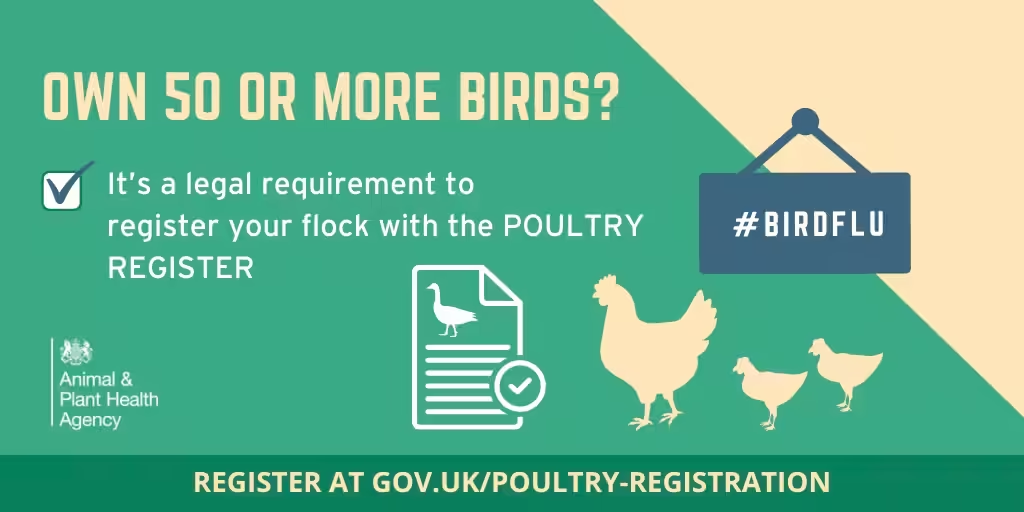
With the potential to devastate flocks and impact livelihoods, it’s crucial to understand its causes, symptoms, treatment options, and prevention strategies. Recently, the UK has just mandated a poultry farmers register to combat avian influenza.
This article aims to equip you with the knowledge needed to protect your birds.
What Causes Bird Flu?
Bird flu is primarily caused by influenza A viruses, which can infect various bird species. Usually, wild birds, especially waterfowl, often carry the virus without showing signs of illness. However, when the virus spills over into domestic poultry, the consequences can be severe.
Key factors that contribute to the spread of bird flu include:
- Contact with Wild Birds: Your domestic birds can contract the virus through direct contact or contaminated environments.
- Infected Equipment or Clothing: Farmers and workers can inadvertently transport the virus on shoes, tools, or clothing.
- Poor Biosecurity Measures: Inadequate sanitation and biosecurity practices can facilitate the virus’s spread among flocks.
According to NBC news, bird flu can also affect cattle.
Recognizing Symptoms
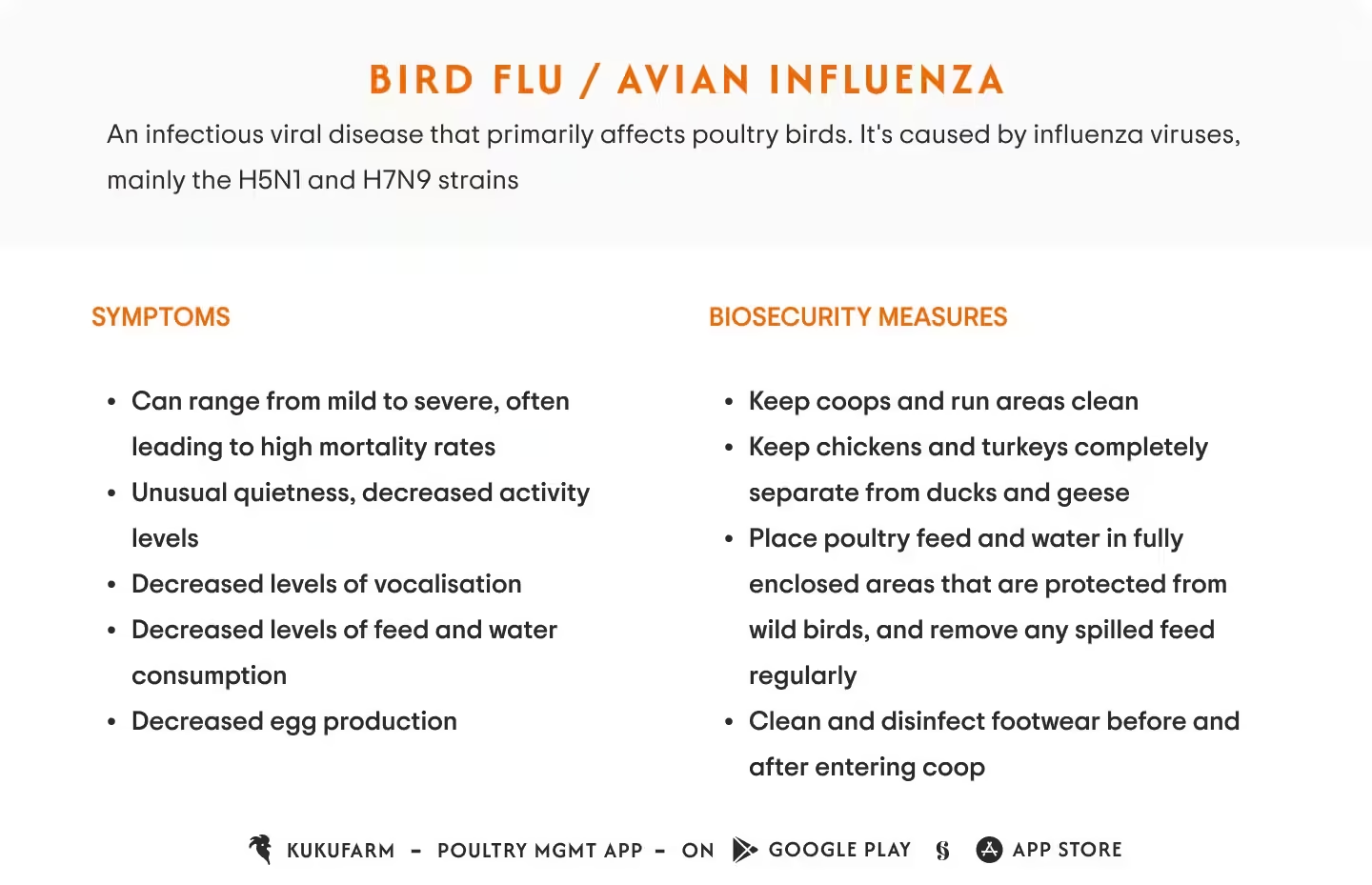
Early detection of bird flu is essential for controlling outbreaks. Common symptoms in infected poultry include:
- Sudden death without prior signs of illness
- Swelling of the head, comb, and wattles
- Nasal discharge and sneezing
- Decreased egg production or abnormal eggs
- Changes in behavior, such as lethargy and decreased appetite
If you notice these symptoms in your flock, act immediately to minimize the impact. Moreover, the threat to your flock is real. For instance, some farmers have had to cull millions of birds to prevent the spread of bird flu.

Treatment Options
Currently, there is no specific treatment for bird flu in poultry. However, some measures can help manage affected flocks:
- Isolation: Immediately separate sick birds from healthy ones to prevent further spread.
- Culling: In severe cases, culling infected birds is often necessary to protect the remaining flock.
- Vaccination: Consult with a veterinarian about the feasibility of vaccinating your flock, especially in high-risk areas.
While treatment options may be limited, prompt action can help mitigate the outbreak’s effects.
Prevention Strategies
Preventing bird flu is far more effective than treating it after an outbreak occurs. Here are a few things that you can do to keep your flock safe:
- Implement Strict Biosecurity Measures:
- Limit access to your poultry areas.
- Use dedicated clothing and equipment for handling birds.
- Regularly disinfect surfaces and equipment.
- Monitor Wild Bird Activity:
- Stay informed about local wild bird populations.
- Use nets or other barriers to keep wild birds away from your flock.
- Regular Health Checks:
- Conduct routine health inspections of your birds.
- Keep detailed records of any changes in flock health.
- Educate Your Team:
- Train all farm workers on biosecurity protocols.
- Ensure everyone knows how to recognize symptoms of bird flu.
- Stay Informed:
- Keep up with the latest information on bird flu outbreaks in your area.
- Engage with local agricultural extension services for updates and support.
- If you’re a poultry farmer in the UK, you’ve to register with APHA
Conclusion
Bird flu is a serious concern for poultry farmers, but by understanding its causes, symptoms, treatment options, and prevention strategies, you can safeguard your flock and your livelihood.
Remember, proactive measures and quick action are your best defenses against this potentially devastating virus. Stay vigilant, stay informed, and prioritize biosecurity to protect your poultry from bird flu.
Leave a Reply